
Subscribe and receive email notifications of new blog posts.
 RSS Feed
- 2026 | 33 Posts
- 2025 | 60 Posts
- 2024 | 59 Posts
- 2023 | 48 Posts
- 2022 | 52 Posts
- 2021 | 54 Posts
- 2020 | 49 Posts
- 2019 | 48 Posts
- 2018 | 43 Posts
- 2017 | 15 Posts
- 2016 | 20 Posts
- 2015 | 6 Posts
- 2014 | 8 Posts
14
Homeowners: Is Your Snow Blower Ready?
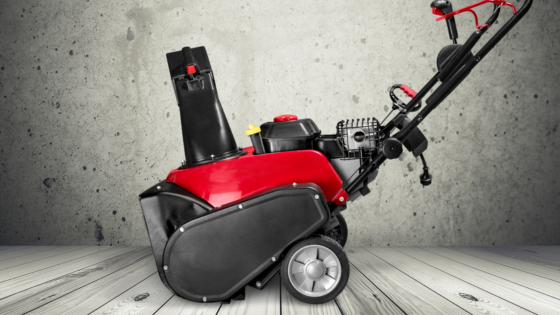
As the winter season approaches in Minnesota, now is the time to ensure your snow blower is ready to handle the months of snow ahead. Whether you're considering Glenwood homes for sale or Maple Grove homes for sale, preparing your property for winter weather is essential. October 15-21 is recognized as National Snow Blower Maintenance Week, offering a timely reminder to tune up your equipment before the first flakes fall.
To make sure your snow blower is in optimal condition, follow these essential maintenance tips:
- Check the Spark Plug
One of the simplest ways to keep your snow blower running smoothly is by inspecting the spark plug. A worn or dirty spark plug can affect engine performance. If it shows signs of wear, replace it to ensure reliable starting and smooth operation. - Inspect and Change the Oil
Just like any engine-powered machine, your snow blower needs fresh oil to operate efficiently. Old or contaminated oil can cause excessive wear and tear on the engine. Check your manual for the proper oil type and schedule for oil changes. Drain any old oil, replace it with fresh oil, and properly dispose of the used oil. - Clean or Replace the Air Filter
Snow blowers need a clean air filter to maintain efficient airflow to the engine. A dirty air filter can lead to poor performance and increase fuel consumption. Clean or replace the air filter if necessary so your snow blower can function at its best when you need it most. - Inspect the Belts
The belts on your snow blower transfer power from the engine to the auger and drive system. Over time, these belts can become worn or cracked. Inspect the belts for signs of wear and replace them if necessary to prevent a breakdown during heavy snowfalls. - Check the Auger and Scraper Bar
The auger and scraper bar are key components in clearing snow effectively. Inspect the auger for wear or damage and ensure it spins freely. The scraper bar, located at the bottom of the snow blower, should be in good condition to scrape snow down to the pavement. Replace any damaged or worn-out parts to maintain performance. - Fill Up with Fresh Fuel
If you left fuel in your snow blower from last season, it's important to drain the old fuel and fill it up with fresh gasoline. Old fuel can cause starting issues and damage to the carburetor. Consider adding fuel stabilizer to the tank to help preserve the fuel quality during the winter months. - Test the Controls and Cables
Before the snow arrives, test the snow blower's controls and cables to make sure everything is working properly. If the cables are stiff or frayed, consider lubricating or replacing them to guarantee smooth operation. - Check the Tires or Tracks
If your snow blower uses tires, make sure they are properly inflated for optimal traction. For snow blowers with tracks, inspect them for wear or damage and adjust the tension if needed. Proper traction is essential for maneuvering through deep snow.
By following these simple maintenance steps, you'll be ready for the first snowfall and avoid any unexpected equipment failures. National Snow Blower Maintenance Week is the perfect reminder to get your machine in top shape, allowing you to focus on other aspects of preparing your home for the winter months.
For expert guidance in finding the perfect home, call today and let us help you make your move before winter sets in.